
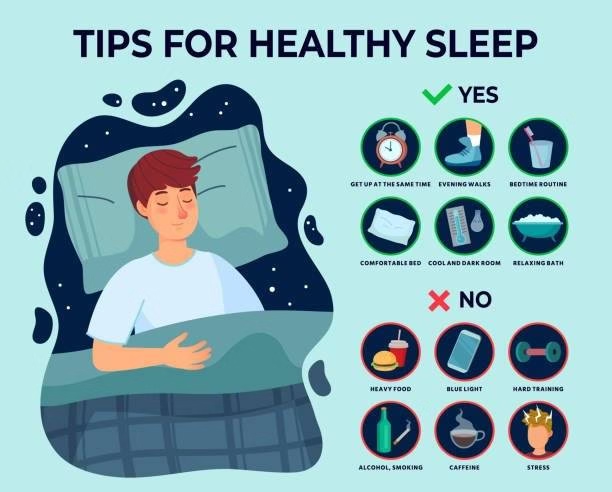
Teenagers today face a whirlwind of responsibilities—school, extracurriculars, social life, and even part-time jobs. With so much going on, sleep often takes a backseat. However, the link between sleep and mental health is undeniable, and prioritizing rest can make a significant difference in a teen’s well-being.
Why Sleep Matters for Teen Mental Health
Sleep isn’t just about feeling rested; it’s crucial for emotional regulation, cognitive function, and overall resilience. When teens don’t get enough sleep, they’re more prone to anxiety, depression, mood swings, and difficulty concentrating. Studies show that teenagers need 8-10 hours of sleep per night, yet most get far less due to packed schedules, screen time, and irregular habits.
The Impact of Sleep Deprivation on Mental Health
-
Increased Anxiety & Stress: A lack of sleep raises cortisol levels (the stress hormone), making it harder to manage emotions and daily pressures.
-
Higher Risk of Depression: Chronic sleep deprivation disrupts serotonin production, which plays a key role in mood stability.
-
Lower Academic Performance: Fatigue makes it harder to focus, retain information, and problem-solve effectively.
-
Irritability & Mood Swings: Teens who don’t sleep enough often experience heightened emotional reactions and lower frustration tolerance.
Common Sleep Disruptors for Teens
Several factors contribute to poor sleep habits, including:
-
Late-Night Screen Time: Blue light from phones and laptops disrupts melatonin production, making it harder to fall asleep.
-
Academic Pressure: Homework and studying often push bedtime later than it should be.
-
Social Media & FOMO: The fear of missing out keeps many teens scrolling late into the night.
-
Irregular Sleep Schedules: Weekend “sleep debt” recovery doesn’t work the way most teens think—it can actually worsen sleep patterns.
How Teens Can Improve Their Sleep for Better Mental Health
-
Establish a Consistent Sleep Schedule: Going to bed and waking up at the same time every day (even on weekends) helps regulate the body’s internal clock.
-
Create a Nighttime Routine: Relaxing activities like reading, journaling, or meditation signal to the brain that it’s time to wind down.
-
Limit Screen Time Before Bed: Turning off devices at least an hour before sleep can improve melatonin production.
-
Avoid Caffeine in the Afternoon: Energy drinks and coffee may help in the short term, but they disrupt sleep cycles.
-
Make Sleep a Priority: Encourage your teen to see sleep as an essential part of their success, not something to sacrifice.
Final Thoughts
Sleep isn’t just a luxury—it’s a necessity for mental and emotional well-being. Encouraging healthy sleep habits in teens can lead to improved mood, focus, and resilience. If your teen is struggling with sleep or mental health, life coaching can provide guidance on developing better habits, managing stress, and building confidence.